
- Manufacture pesticide and insecticide nanoemulsions on laboratory, bench and industrial scales.
- Make fully water-compatible products with improved safety, diffusion and bioefficacy characteristics.
- Reduce toxicity to operators and the environment while increasing potency and lowering costs.
Overview

Case Studies & Application Reports
Blog Posts
Customer Testimonials
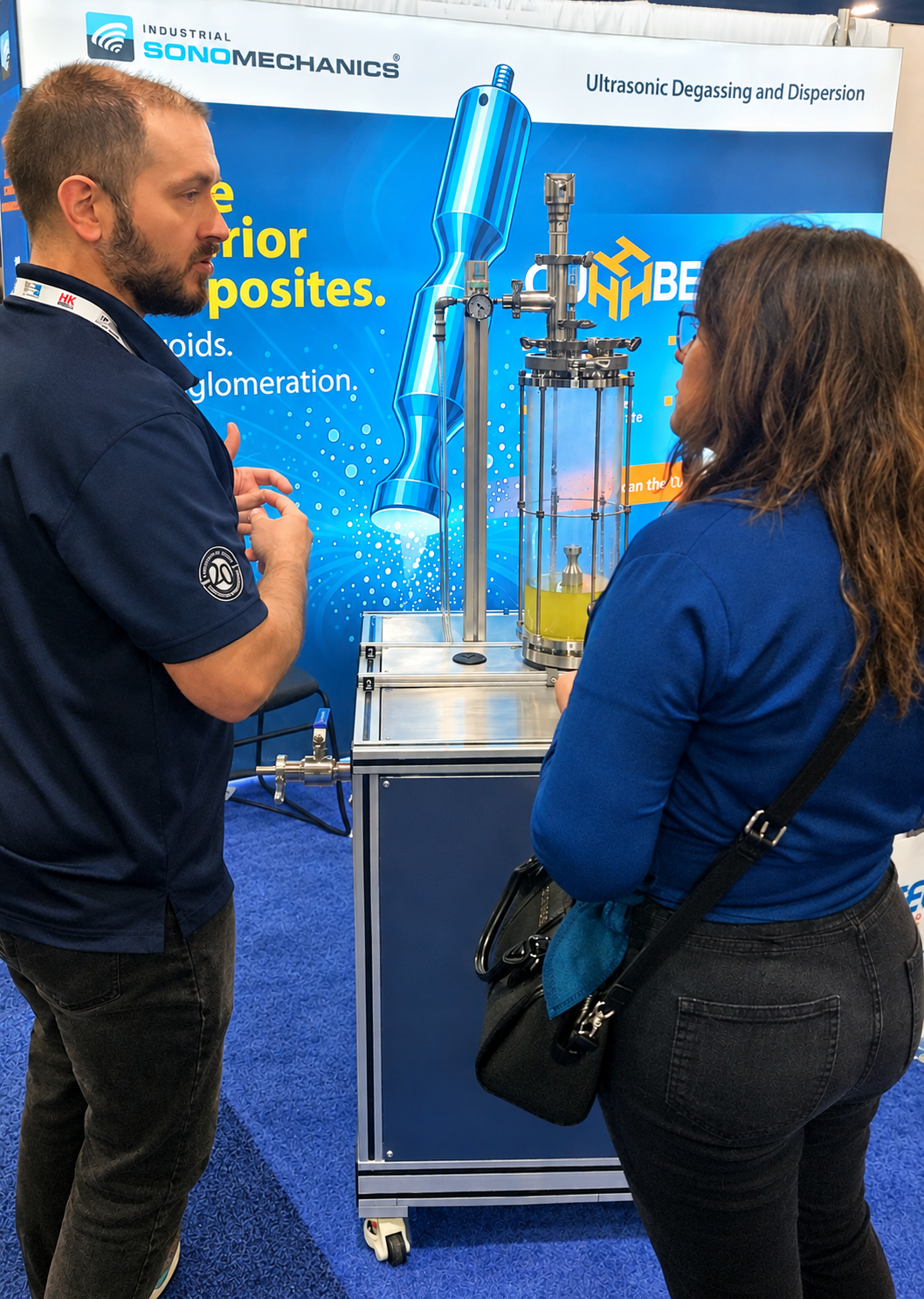
Dominic Notter, Matrix of Life
Videos
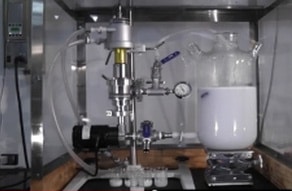
- ISM’s Barbell Horn Ultrasonic Technology Introduction and How We Scale Up


- Translucent Nanoemulsion Produced with LSP-600 and BSP-1200 in the Batch Mode
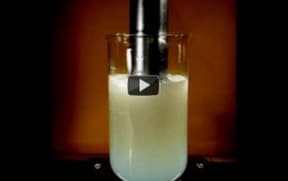
- Making a Translucent Nanoemulsion with ISP-3000 in the Flow-Through Mode
Ebooks
- MAKING STABLE EMULSIONS: A Guide to Formulation and Processing Conditions Optimization
FAQs
- ULTRASONIC EMULSIFICATION: Frequently Asked Questions
Frequently Asked Questions
What is pesticide nanoemulsion formulation?
It is the process of reducing water-insoluble pesticide or insecticide actives to nanoscale droplets so they form a fully water-compatible delivery system. This improves wettability, diffusion, safety, and bioefficacy compared with the raw active ingredient.
Why are most pesticide actives not directly usable?
Most active pesticide and insecticide ingredients are not water-soluble, so they cannot be applied effectively on their own. A formulation that makes them water-compatible is generally required for reliable pest control.
How do nano-emulsified pesticides reduce environmental impact?
Nanoemulsions deliver actives more efficiently to the target site, so smaller amounts achieve greater effect. This lowers the total quantity applied, reducing the environmental burden and cost to farmers.
What equipment is needed to make pesticide nanoemulsions?
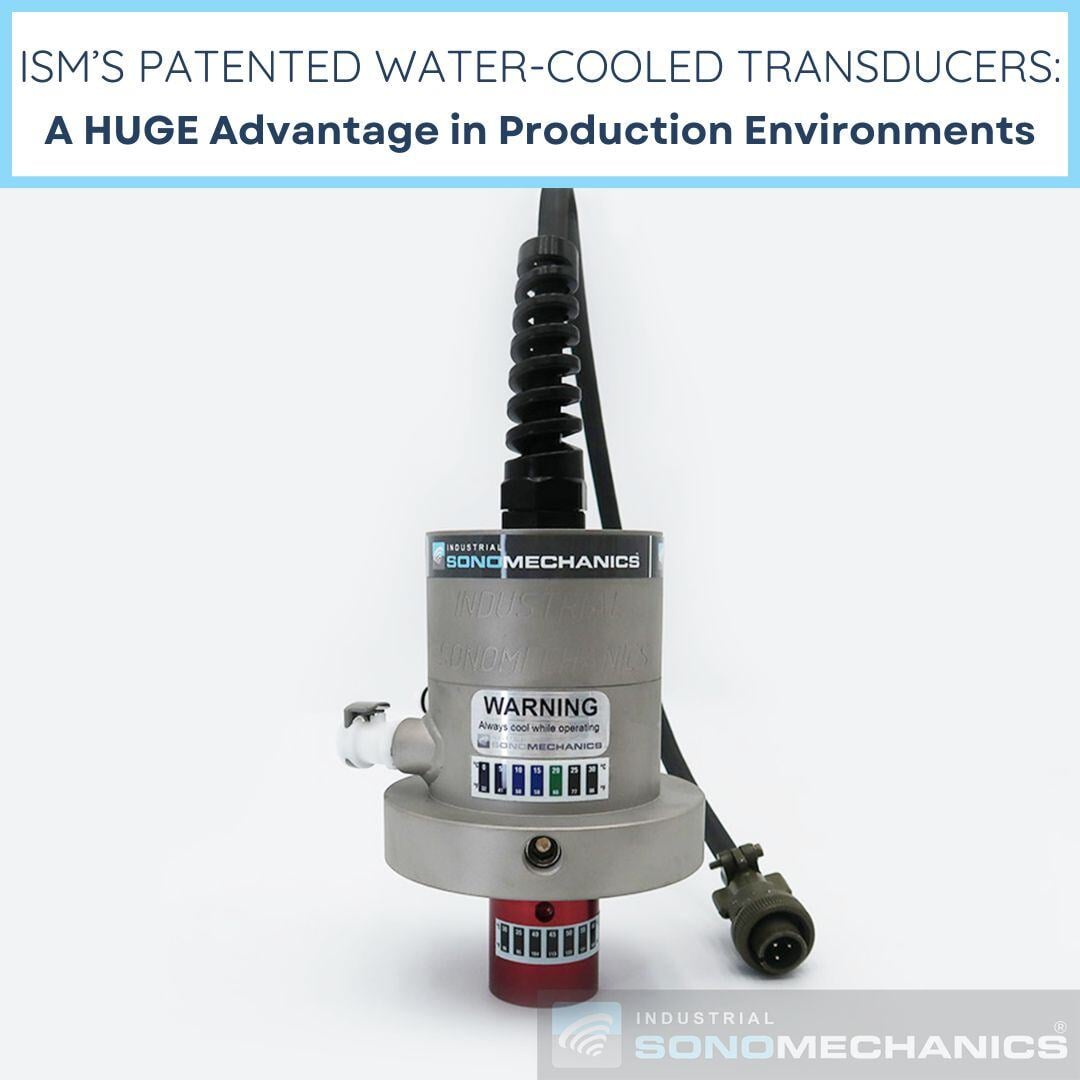
Forming nanoemulsions requires bringing active-ingredient droplets down to the nanometer scale, which calls for specialised equipment. ISM’s ultrasonic liquid processors based on Barbell Horn Ultrasonic Technology (BHUT) are designed for this purpose.
Can pesticide formulation be scaled from the lab to production?
Yes. BHUT allows laboratory results to be reproduced directly in a production environment, delivering predictable, reproducible nanoemulsions at any scale of operation.