- Produce and incorporate uniform nanocrystals, nanoemulsions, and liposomes into cosmetic products.
- Manufacture creams, gels, lotions, topicals, ointments, moisturizers, and patches with enhanced transdermal drug delivery properties.
- Improve UV filtration properties and optical translucency of sunscreens and moisturizers.
Overview
Industrial Sonomechanics® patented Barbell Horn® Ultrasonic Technology (BHUT)-based laboratory, bench, and industrial ultrasonic liquid processors make it easy to produce and incorporate nanomaterials into a wide range of cosmetic products, guaranteeing reproducible and predictable results at any scale of operation.
Case Studies & Application Reports
Blog Posts
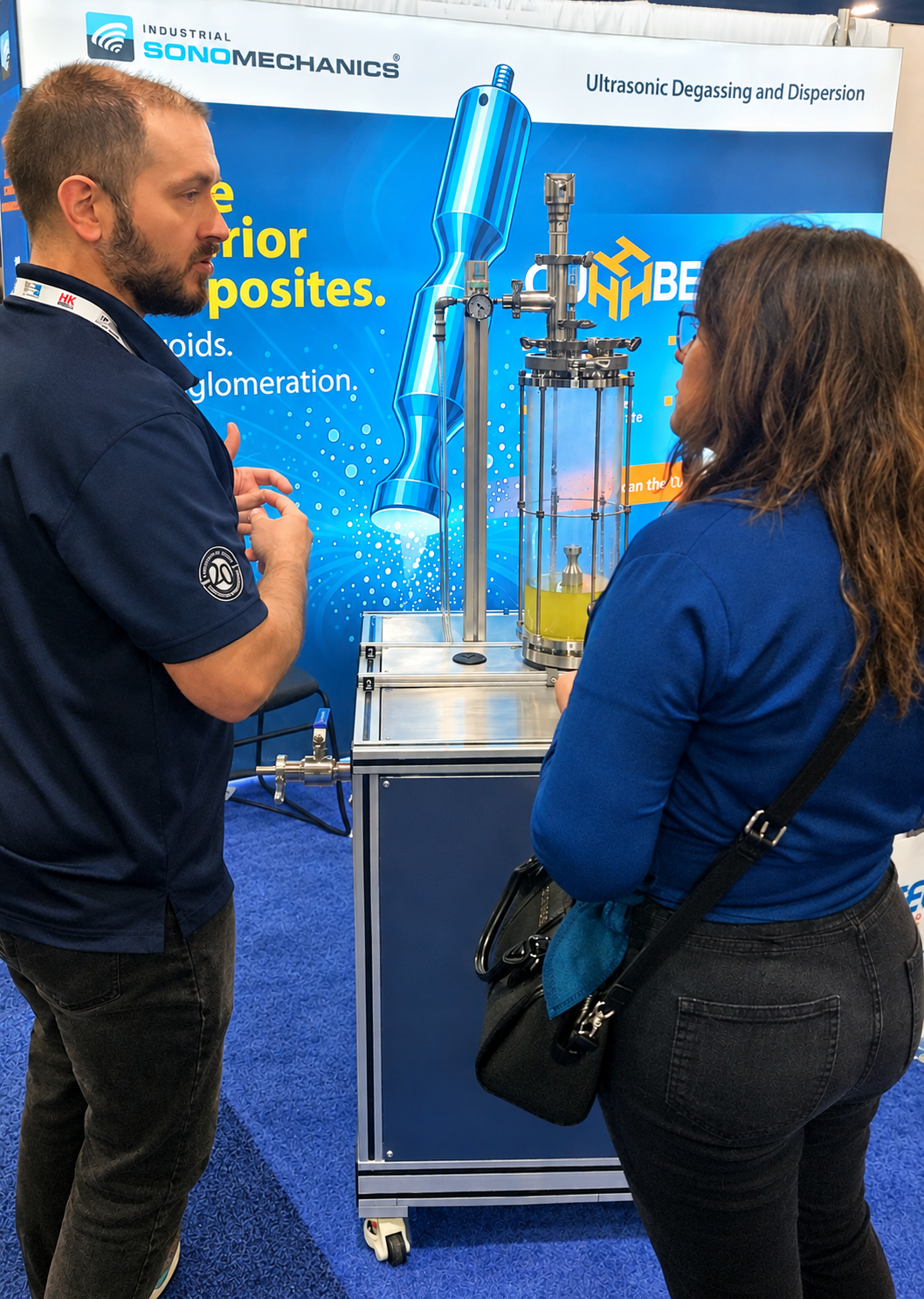
The Composites and Advanced Materials Expo (CAMX) 2026 Recap
Industrial Sonomechanics (ISM) was pleased to exhibit at The Composites and Advanced Mat...
Read more...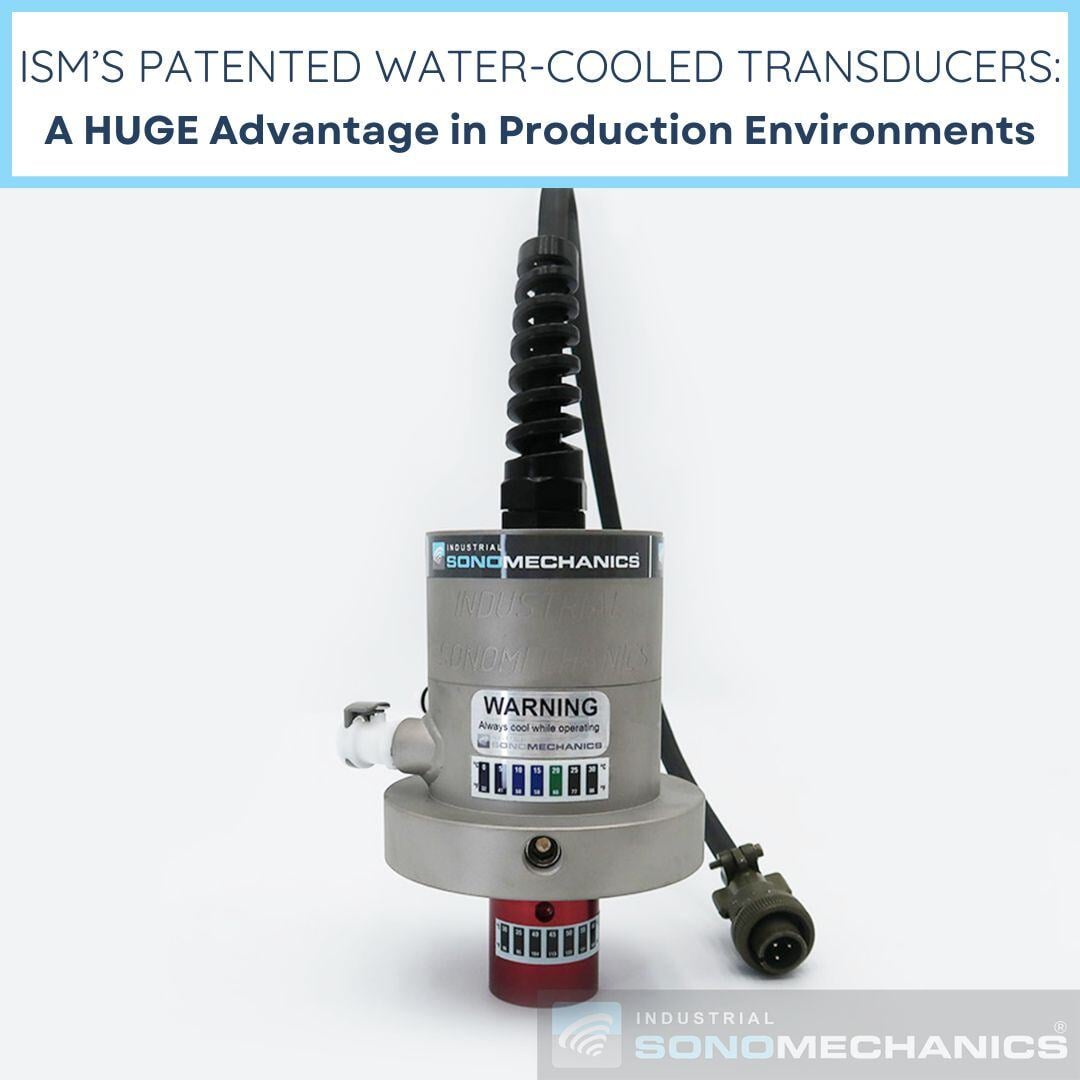
Water-Cooled Piezoelectric Ultrasonic Transducers for Continuous Industrial Processing
At industrial power levels, an ultrasonic transducer must manage the heat generated in i...
Read more...
4th International Process Intensification Conference (IPIC4) 2026 Recap: Ultrasonic Nanoemulsion Manufacturing
Industrial Sonomechanics (ISM) was honored to participate in the 4th International Pro...
Read more...Customer Testimonials
Dominic Notter, Matrix of Life
Videos
- ISM’s Barbell Horn Ultrasonic Technology Introduction and How We Scale Up



- Translucent Nanoemulsion Produced with LSP-600 and BSP-1200 in the Batch Mode
- Making a Translucent Nanoemulsion with ISP-3000 in the Flow-Through Mode
Ebooks
- MAKING STABLE EMULSIONS: A Guide to Formulation and Processing Conditions Optimization

FAQs
- Frequently Asked Questions
Frequently Asked Questions
How is nanotechnology used in cosmetics?
Nanocrystals, nanoemulsions, and liposomes act as delivery systems for active lipophilic compounds and UV blockers in cosmetic products. Their small size helps transport actives through the skin and improves hydration, UV filtering, and product appearance.
What cosmetic products can be made with ultrasonic processing?
Creams, gels, lotions, topicals, ointments, moisturizers, sunscreens, and patches can all incorporate ultrasonically produced nanomaterials for enhanced transdermal delivery and finish.
How do liposomes work in skincare?
Liposomes are lipid vesicles that encapsulate active ingredients and help carry them through the skin barrier, supporting systemic delivery, hydration, and wound healing while protecting sensitive actives.
Why are nanoemulsions used in sunscreens and moisturizers?
Nanosuspensions of UV filters such as titanium dioxide and zinc oxide improve UV filtration while increasing optical translucency, so sunscreens and moisturizers feel lighter, look clearer, and absorb better into the skin.
Can cosmetic nanoformulations be produced at production scale?
Yes. ISM’s Barbell Horn Ultrasonic Technology (BHUT) processors produce and incorporate nanomaterials at laboratory, bench, and industrial scales with reproducible, predictable results.